
Rwanda Gorilla Families: How Trekking Groups Are Chosen in Volcanoes National Park
Each gorilla family has its own silverback, history and walking distance, and that shapes your day.
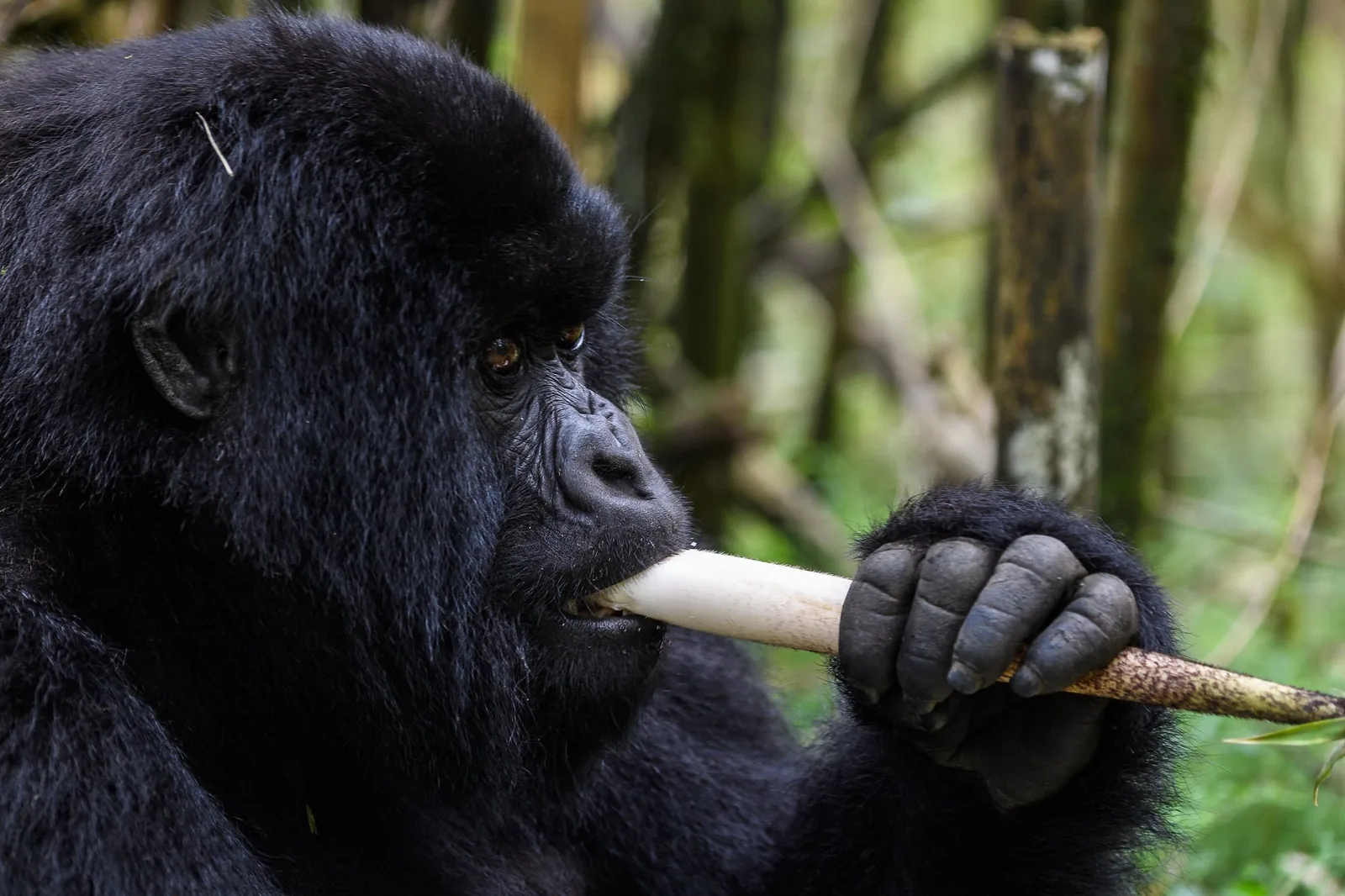
A gorilla family is a stable group led by a dominant silverback, with several females, their offspring and sometimes younger males. The families in Volcanoes National Park have been habituated, which means researchers and trackers have spent months getting them used to quiet human visitors so that groups can approach safely.
Family sizes and compositions change as infants are born, young males leave and silverbacks are challenged, so published lists age quickly. Well-known groups include Susa, which began as the research group of Dian Fossey, and families such as Sabyinyo, Amahoro and Kwitonda, although park managers sometimes split or merge groups and the roster is updated regularly.
This guide is part of our East Africa travel guides. When you are ready to plan, see our Uganda safari packages or the Ameera Africa Safaris Uganda tours homepage.
At a glance
- Led by: A dominant silverback
- Habituation: Months of daily exposure
- Allocation: Done by guides on the morning
- Trek length: Under 1 hour to 4+ hours
How Groups Are Matched
Guides split trekkers into groups of up to eight and match each group to a family. Fitter trekkers who ask for a challenge may be sent to a family that has moved higher up the mountain, while visitors who prefer a gentle walk are more likely to be sent to a closer group. This is a request, not a guarantee, because the families move every day.
What You See in an Hour
Typical sightings include juveniles playing, infants clinging to their mothers, females grooming one another and the silverback resting while keeping watch. Behaviour varies by day, season and food supply, and a quiet hour can be just as rewarding as an active one.
For the Uganda equivalent, read how Bwindi groups are split across four sectors.
Dian Fossey and the Research Story
The Karisoke Research Centre, founded by Dian Fossey in 1967, still studies the mountain gorilla population. Her work and the tourism programme that followed are a big part of why the species has been recovering. See the hike to her grave.
Planning Rwanda with Uganda? Tell us your dates and we will combine both countries in one smooth itinerary, with transfers and permits arranged.
Related Tours, Guides and Resources
- Ameera Africa Safaris homepage: Uganda safaris, tours and holidays
- Uganda safari packages
- Uganda travel guide
- How to book a Uganda safari
- Plan your safari with our team
Itineraries That Include This Experience
Frequently Asked Questions
Related Uganda Safari Pages
- Rwanda Gorilla Permits and Trekking Rules: How They Work and What to Expect
- Dian Fossey Grave Hike in Rwanda: Karisoke, Mount Visoke and What the Walk Involves
- Uganda Gorilla Permits Explained
- Golden Monkey Tracking in Rwanda: What to Expect in Volcanoes National Park
- Things to Do in Musanze, Rwanda: Caves, Lakes, Villages and Volcano Views
- Rwanda Safari and Travel Guides: Gorillas, Volcanoes, Nyungwe, Akagera and Kigali
Ready to Plan Your Uganda Safari?
Tell us your dates, group size and interests and our Kampala team will reply with a clear, personal itinerary.
Back to the Ameera Africa Safaris homepage for Uganda safari holidays, our featured tours and the latest Uganda park fees.